
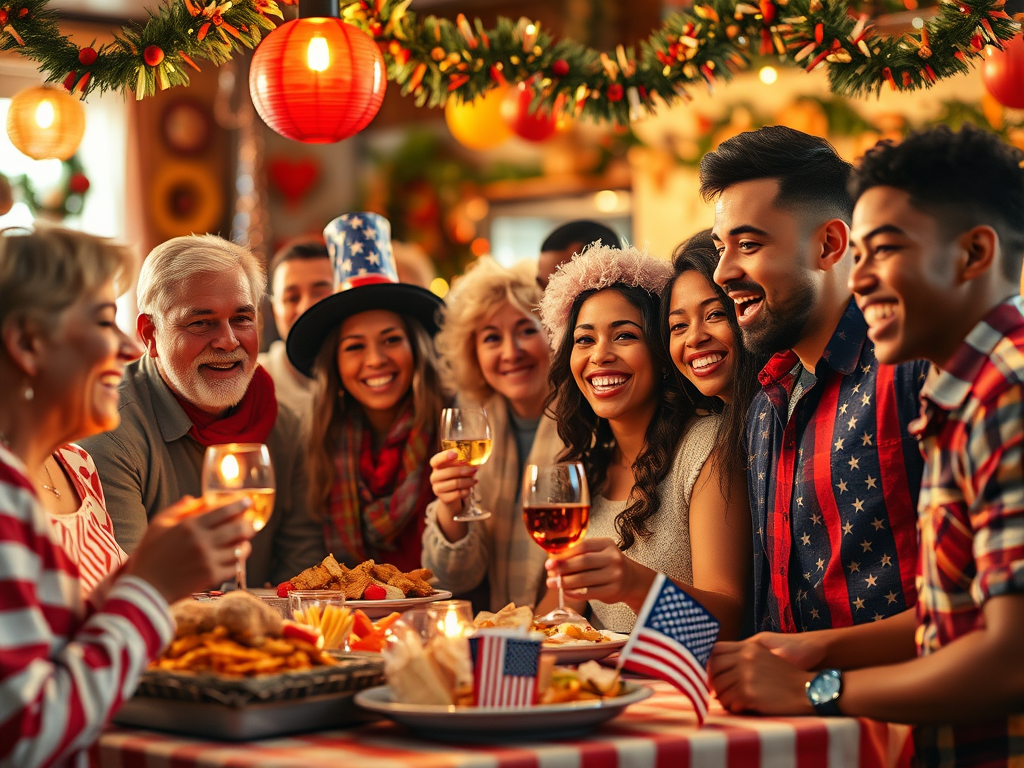
As a newcomer to the United States, you’ll soon discover that the country’s cultural landscape is vibrant, diverse, and steeped in a rich tapestry of holiday celebrations and time-honored traditions. From the patriotic fervor of the Fourth of July to the cozy, family-centric gatherings of Thanksgiving, these annual events play a vital role in shaping the American identity and bridging communities.
This comprehensive guide aims to introduce you to the significance and practical aspects of navigating these uniquely American customs, helping you to not only understand but also embrace the essence of these celebrations. Whether you’re an expat, a recent immigrant, or simply seeking to deepen your connection with your adopted homeland, this exploration of American holidays and traditions will equip you with the knowledge and insight to participate in these cherished occasions with confidence and cultural awareness.
Key Takeaways
- Understand the historical and cultural significance of major American holidays
- Discover the diverse traditions and regional variations in holiday celebrations
- Learn the etiquette and customs surrounding American festivities
- Explore ways to incorporate your own heritage while embracing American traditions
- Gain practical tips for navigating holiday shopping, decorating, and event planning
Understanding the Significance of American Holidays, Traditions
American holiday celebrations are rich in history and cultural diversity, reflecting the nation’s evolving identity. From the iconic Thanksgiving feast to the vibrant Fourth of July festivities, each holiday carries a unique significance that sheds light on the country’s past and present.
Historical Background of Major US Celebrations
Many of the United States’ most prominent holidays have their roots in significant historical events. For instance, Independence Day commemorates the adoption of the Declaration of Independence, while Memorial Day honors the sacrifices of fallen soldiers. Exploring the origins of these celebrations provides valuable insights into the nation’s journey and the values that shape its cultural landscape.
The Role of Diversity in American Holiday Culture
The diversity of the American population has had a profound impact on the nation’s holiday culture. Celebrations such as Cinco de Mayo and Lunar New Year have been embraced and integrated into the broader cultural fabric, reflecting the rich tapestry of traditions that make up the American experience. This diversity not only enhances the vibrancy of holiday celebrations but also fosters a deeper understanding and appreciation for the country’s multicultural heritage.
Regional Variations in Celebrations
Holiday traditions in the United States often vary by region, with local customs and practices shaping the way celebrations are observed. For example, the Mardi Gras festivities in New Orleans are vastly different from the apple picking excursions popular in the Northeast during the fall season. These regional differences add depth and richness to the overall tapestry of American holiday culture, showcasing the nation’s diverse cultural landscape.
| Holiday | Historical Significance | Regional Variations |
|---|---|---|
| Thanksgiving | Commemorates the harvest celebration between the Pilgrims and the Wampanoag people in 1621. | Traditional Thanksgiving meals may vary by region, with some areas emphasizing local specialties or ingredients. |
| Fourth of July | Celebrates the adoption of the Declaration of Independence and the nation’s independence from Great Britain. | Fireworks displays and parades are common nationwide, but the specific traditions and festivities may differ across regions. |
| Cinco de Mayo | Commemorates the Mexican army’s victory over the French Empire at the Battle of Puebla in 1862. | While not an official US federal holiday, Cinco de Mayo celebrations are particularly vibrant in areas with large Hispanic/Latino populations. |
By exploring the historical context, cultural diversity, and regional variations of American holidays and traditions, we gain a deeper appreciation for the richness and complexity that define the nation’s cultural identity.
Major Federal Holidays in the United States
The United States recognizes eleven federal holidays that have a significant impact on the day-to-day lives of Americans and visitors alike. These american holidays and us customs are deeply rooted in the nation’s history and cultural traditions, offering a glimpse into the diverse fabric of American society.
Among the most widely celebrated federal holidays are:
- New Year’s Day: Marking the start of a new year, this holiday is celebrated with festive gatherings, resolutions, and the iconic Times Square ball drop in New York City.
- Martin Luther King Jr. Day: Honoring the legacy of the renowned civil rights leader, this day is observed with parades, community service, and reflections on the pursuit of equality and justice.
- Presidents’ Day: Formerly known as Washington’s Birthday, this holiday pays tribute to the nation’s past presidents and their contributions to American democracy.
- Memorial Day: Commemorating the sacrifices of fallen U.S. military members, this solemn day is marked by ceremonies, parades, and visits to national cemeteries.
- Independence Day: Celebrating the country’s declaration of independence, the Fourth of July is a vibrant celebration with fireworks displays, barbecues, and patriotic festivities.
- Labor Day: Honoring the achievements of American workers, this holiday marks the end of the summer and the start of the fall season.
- Columbus Day: Historically commemorating the arrival of Christopher Columbus in the Americas, this day is now recognized by many as Indigenous Peoples’ Day, celebrating the rich heritage of Native American communities.
- Veterans Day: Recognizing the service and sacrifice of U.S. military veterans, this holiday is marked by parades, speeches, and various community events.
- Thanksgiving: A cherished family-oriented holiday, Thanksgiving celebrates the harvest and other blessings, often centered around a traditional turkey dinner and the Macy’s Thanksgiving Day Parade.
- Christmas Day: The most widely celebrated federal holiday, Christmas is a time for gift-giving, festive decorations, and the observance of the Christian religious tradition.
- Juneteenth National Independence Day: Commemorating the end of slavery in the United States, this federal holiday was established in 2021 and is celebrated with parades, festivals, and educational events.
These american holidays and us customs not only serve as opportunities for rest and relaxation but also foster a sense of national unity and cultural pride among Americans.
Seasonal Celebrations and Their Cultural Impact
Throughout the year, Americans embrace a vibrant tapestry of cultural traditions and holiday celebrations. From the spring’s blooming festivities to the winter’s cozy gatherings, each season holds its unique charms and significance.
Spring Festivities and Customs
The arrival of spring ushers in a season of renewal and celebration. One of the most anticipated events is Easter, a Christian holiday that commemorates the resurrection of Jesus Christ. Families gather to share a festive meal, decorate eggs, and participate in egg hunts, reflecting the holiday’s themes of rebirth and hope.
Summer Holiday Traditions
As the weather warms, Americans eagerly anticipate the arrival of the Fourth of July, the country’s Independence Day. Communities across the nation come together to celebrate with parades, barbecues, and spectacular fireworks displays, honoring the nation’s founding principles and cultural traditions.
Fall and Winter Celebrations
As the leaves turn vibrant hues and the air grows crisp, the fall season brings a wealth of cultural traditions. Halloween, a beloved holiday, sees children and adults alike don costumes and indulge in the spirit of mischief and imagination. The winter season ushers in the joy of the holiday season, with Christmas and New Year’s Eve celebrations taking center stage, filled with family gatherings, gift-giving, and the anticipation of the year to come.
These seasonal cultural traditions and holiday celebrations play a vital role in shaping the American experience, fostering a sense of community, and preserving the nation’s rich tapestry of diversity.
Religious Observances in American Society
The United States is a diverse nation, and this diversity is reflected in the vibrant tapestry of religious observances that permeate American culture. From the iconic Christmas celebrations to the introspective observance of Ramadan, religious holidays hold a significant place in the hearts and minds of many Americans.
One of the most widely celebrated religious holidays in the U.S. is Christmas, a time when families gather to exchange gifts, decorate their homes, and indulge in traditional culinary delights. Meanwhile, the Jewish community observes Hanukkah, a eight-day festival of lights that commemorates the rededication of the Second Temple in Jerusalem.
- Easter, a Christian celebration of the resurrection of Jesus Christ, is marked by colorful egg hunts, church services, and festive brunches.
- Ramadan, the holy month of fasting observed by Muslims, is a time of spiritual reflection, community gatherings, and the breaking of the fast at sundown.
These religious observances not only hold deep personal significance for believers but also contribute to the cultural insights and US customs that shape the fabric of American society. As individuals from diverse backgrounds come together to celebrate, they foster a greater understanding and appreciation for the rich diversity that makes the United States a truly unique and vibrant nation.
Family-Centered Holiday Traditions
American holiday celebrations are deeply rooted in family traditions, as families gather to commemorate the cultural and religious significance of these joyous occasions. From traditional family gatherings to cherished mealtime customs and gift-giving practices, the holiday season in the United States is a time to strengthen bonds, uphold time-honored rituals, and cultivate a sense of community.
Traditional Family Gatherings
One of the hallmarks of American holiday celebrations is the importance placed on bringing families together. Whether it’s Thanksgiving, Christmas, or New Year’s Eve, families often make a concerted effort to reunite, travel, and spend quality time with one another. These family gatherings may include various activities, such as sharing meals, exchanging stories, playing games, and engaging in beloved holiday traditions passed down through generations.
Holiday Meal Customs
The preparation and consumption of traditional holiday meals hold a significant place in American culture. Families may gather to cook, bake, and share their favorite dishes, often incorporating recipes and techniques that reflect their cultural heritage. From the iconic Thanksgiving turkey to the diverse array of Christmas and Hanukkah delicacies, these culinary experiences serve as a means of preserving and celebrating the holiday celebration and cultural traditions that bind families together.
Gift-Giving Practices
- The exchange of gifts is a cherished aspect of many American holiday celebrations, particularly during the Christmas season.
- Gift-giving practices often involve thoughtful and personalized selections, with family members and friends exchanging tokens of affection and appreciation.
- The act of gift-giving can be a reflection of the cultural traditions and values held within a family, as well as a way to strengthen social bonds and create lasting memories.
| Holiday | Traditional Gift-Giving Customs |
|---|---|
| Christmas | Exchanging presents, stocking stuffers, and Secret Santa gift exchanges |
| Hanukkah | Giving Hanukkah gelt (small gifts of money or chocolate coins) and exchanging gifts over the eight nights of the holiday |
| Kwanzaa | Giving gifts that reflect the seven principles of Kwanzaa, such as handmade crafts, books, and educational toys |
By embracing these family-centered holiday celebration traditions, Americans are able to maintain a strong sense of cultural identity, foster meaningful connections, and create lasting memories that are passed down through generations.
Social Etiquette During American Celebrations
As a newcomer to the United States, navigating the social etiquette surrounding American celebrations can be a captivating cultural experience. From understanding appropriate behavior at holiday parties to mastering the art of gift-giving, these cultural insights can help you seamlessly integrate into the festive atmosphere.
Greeting and Mingling
When attending an American celebration, a warm greeting and friendly introduction are essential. A firm handshake or a light hug, depending on the setting, are common ways to greet hosts and other guests. Maintaining eye contact and an engaging conversation is key to making a positive impression.
Gift-Giving Etiquette
Gift-giving is a cherished tradition during many American holidays. When invited to a celebration, it’s customary to bring a small token of appreciation, such as a bottle of wine, a box of chocolates, or a potted plant. Avoid overly extravagant gifts, as moderation is the norm. Newcomer tips suggest giving a thoughtful, yet practical present that reflects your personal connection with the recipient.
Hosting and Attending Parties
When attending a holiday party, it’s polite to RSVP promptly and arrive on time. Offer to assist the host with any tasks, such as setting the table or helping with refreshments. During the event, engage in lively conversation, but be mindful of not monopolizing the discussions. If you’re the host, ensure that your guests feel welcomed and comfortable throughout the celebration.
| Etiquette Consideration | Recommended Approach |
|---|---|
| Greeting and Introductions | Firm handshake, light hug (if appropriate), maintain eye contact |
| Gift-Giving | Bring a thoughtful, moderately-priced gift (e.g., wine, chocolates, potted plant) |
| Party Attendance | RSVP promptly, arrive on time, offer to assist the host, engage in conversation |
| Hosting a Celebration | Ensure guests feel welcomed and comfortable throughout the event |
By familiarizing yourself with these cultural insights and newcomer tips, you’ll be well-equipped to navigate the social etiquette of American celebrations with confidence and grace.
Navigating Holiday Shopping and Preparations
As the holiday season approaches, newcomers to the United States may find themselves navigating the bustling world of holiday shopping and preparations. From understanding the ebb and flow of holiday shopping seasons to deciphering common decorating traditions, this section aims to provide practical tips to help you fully embrace the festivities.
Holiday Shopping Seasons
In the U.S., the holiday shopping season typically kicks off with Black Friday, the day after Thanksgiving, when retailers offer deep discounts to attract eager shoppers. This is followed by Cyber Monday, a day dedicated to online shopping. The weeks leading up to Christmas are often the busiest, with shoppers scrambling to find the perfect gifts for their loved ones.
Decorating Traditions
Decorating one’s home is an integral part of the holiday celebration in America. From stringing up twinkling lights to adorning a Christmas tree, there are numerous time-honored traditions to explore. Many neighborhoods even engage in friendly competitions to see who can create the most dazzling holiday display.
Planning Holiday Events
- Attend local community events, such as tree-lighting ceremonies or parades, to experience the holiday spirit firsthand.
- Organize a potluck gathering with friends or colleagues to share cultural dishes and traditions.
- Volunteer at a soup kitchen or charitable organization to give back to the community during the holiday season.
| Holiday Shopping Tips | Holiday Decorating Trends | Holiday Event Ideas |
|---|---|---|
|
|
|
By familiarizing yourself with the rhythms of holiday shopping, decorating traditions, and event planning, newcomers can navigate the holiday season with confidence and fully embrace the holiday celebration that is so integral to American culture.
Incorporating Your Heritage While Embracing American Traditions
As an expat, navigating the cultural landscape of the United States can be a rewarding and enriching experience. While embracing American traditions, it’s essential to also honor your personal cultural heritage. By blending the old and the new, you can create unique holiday experiences that celebrate the diversity of your background.
One way to incorporate your heritage is by infusing traditional dishes into your holiday meals. Whether it’s serving up your grandmother’s signature empanadas alongside the classic American Thanksgiving turkey or whipping up a batch of latkes to complement the Christmas festivities, these cultural touches can add depth and personal meaning to the celebrations.
- Explore ways to combine favorite family recipes with American holiday staples.
- Incorporate traditional decorations, music, or rituals into your celebrations.
- Educate your American friends and neighbors about the significance of your cultural traditions.
Another approach is to create new traditions that bridge the gap between your cultural identity and American customs. This could involve hosting a cultural potluck where everyone brings a dish that represents their heritage or organizing a heritage-inspired craft workshop for your community.
“The beauty of being an expat lies in the opportunity to share your cultural insights and embrace the richness of both worlds.”
By embracing American traditions while maintaining the essence of your own cultural background, you can cultivate a deeper sense of belonging and enrich the lives of those around you. The key is to find a balance that allows you to honor your roots while fully engaging in the vibrant tapestry of American holiday celebrations.
Conclusion
As we’ve explored, embracing American holidays and traditions can be a rewarding and enriching experience for those new to the culture. From the historical significance of major federal celebrations to the diverse regional and religious observances, participating in these customs offers an opportunity to deepen your understanding and appreciation of American society.
Whether it’s gathering with family for a festive meal, exchanging heartfelt gifts, or immersing yourself in the vibrant sights and sounds of seasonal festivities, engaging with american holidays and cultural traditions can help you develop a stronger connection to your new home. By striking a balance between maintaining your own cultural identity and embracing the diversity of American celebrations, you can seamlessly integrate into the fabric of this dynamic nation as an expat adaptation.
As you continue to navigate the world of American holidays and traditions, remember that the true essence of these celebrations lies in fostering a sense of community, gratitude, and shared experiences. Embrace the opportunity to learn, grow, and contribute to the rich tapestry of American culture, creating lasting memories and cherished traditions of your own.
FAQ
What are the major federal holidays in the United States?
The United States recognizes eleven federal holidays, including New Year’s Day, Martin Luther King Jr. Day, Presidents’ Day, Memorial Day, Independence Day, Labor Day, Columbus Day, Veterans Day, Thanksgiving, and Christmas Day.
How do Americans typically celebrate the 4th of July?
The 4th of July, or Independence Day, is one of the most significant American holidays. Celebrations often include parades, barbecues, picnics, and fireworks displays to commemorate the country’s independence.
What are some common Thanksgiving traditions in the US?
Thanksgiving is a beloved fall holiday that brings families together. Traditions often include a large meal featuring turkey, stuffing, mashed potatoes, and pumpkin pie, followed by watching football games and the Macy’s Thanksgiving Day Parade.
How do Americans typically celebrate Halloween?
Halloween is a popular spooky celebration, especially among children. Traditions include dressing up in costumes, trick-or-treating, carving pumpkins, and attending costume parties or haunted houses.
What is the etiquette for gift-giving during American holidays?
Gift-giving is a common practice during many American holidays. It’s important to consider the occasion, the recipient’s interests, and your relationship when selecting an appropriate gift. Thoughtful, personal gifts are generally appreciated.
How can I incorporate my own cultural traditions while adapting to American holiday celebrations?
Blending your cultural heritage with American traditions can create unique and meaningful holiday experiences. Consider incorporating special dishes, music, or customs from your background into your celebrations to honor your roots while embracing American holiday customs.
 Life After Landing